Player-Driven Integration of Responsible Play Tools with Progressive Jackpot Tracking in European Mobile Gaming Ecosystems
Riley Long · Oct 24, 2026
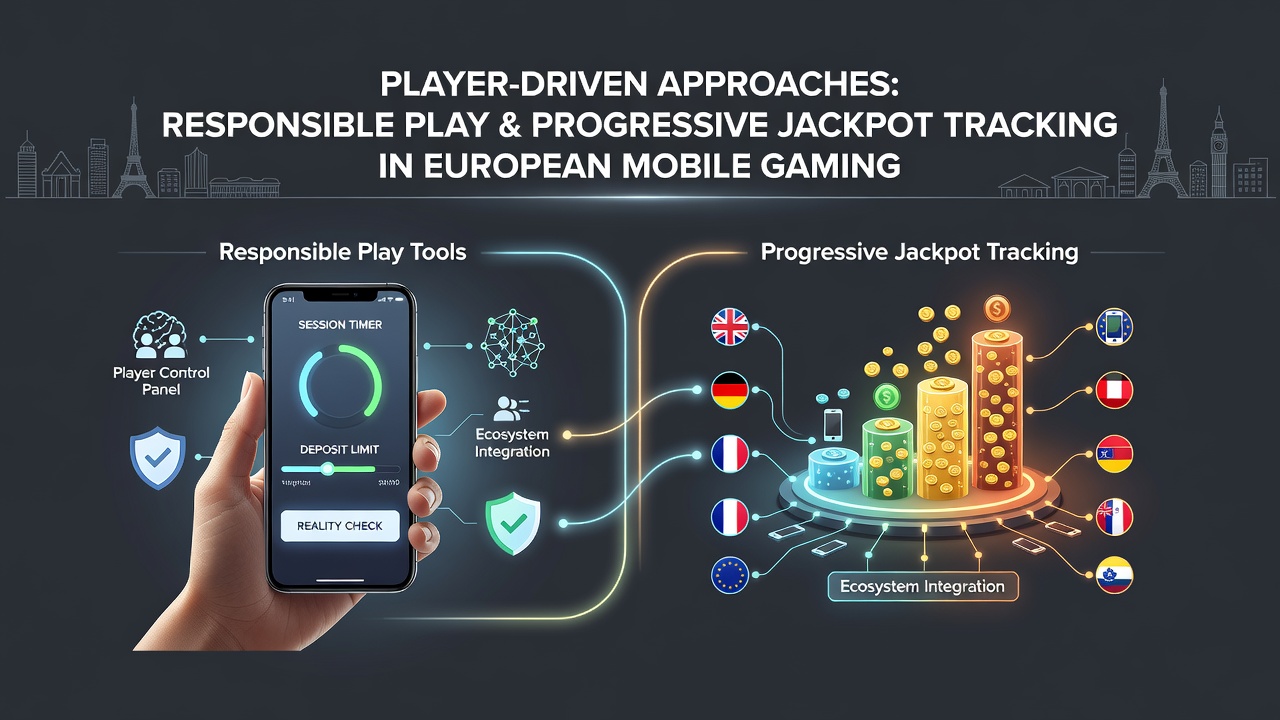
Player-Driven Integration of Responsible Play Tools with Progressive Jackpot Tracking in European Mobile Gaming Ecosystems
European mobile gaming platforms have seen players take active roles in combining responsible play features with progressive jackpot systems since regulatory frameworks began emphasizing user control in the mid-2020s, and data from national licensing bodies shows this trend accelerating through 2026. Observers note that participants often select deposit caps or session reminders while their contributions to shared jackpot pools continue uninterrupted, creating systems where personal limits operate alongside collective prize tracking without requiring platform-level overrides.
Core Components of Player-Initiated Systems
Players drive these integrations by activating tools such as reality checks or loss thresholds directly within mobile interfaces that also display real-time jackpot growth metrics, and this approach allows individuals to maintain visibility into prize accumulation while enforcing their own boundaries on spending or time spent. Research from academic institutions across the continent indicates that such dual-function dashboards reduce instances of unchecked play because users receive simultaneous feedback on both personal activity and jackpot status, whereas separate systems previously required users to switch between unrelated menus.
Take one developer in Sweden who implemented player-selectable modules that link self-imposed wagering caps to jackpot contribution meters, and those who've studied the rollout report that participation rates in responsible tools rose when the features appeared together rather than in isolated sections. Data shows similar patterns in markets like the Netherlands and Denmark where mobile operators rolled out comparable options by early 2026.
Technical Integration Across Mobile Ecosystems
Mobile applications achieve this linkage through API connections that feed player-set limits into the same backend that calculates progressive contributions, and the result is a single data stream where jackpot meters update regardless of whether a user has activated time-out periods or spending alerts. European regulators in multiple jurisdictions require these systems to log both sets of actions for audit purposes, which creates transparent records that operators must maintain without altering jackpot pools based on individual limit settings.
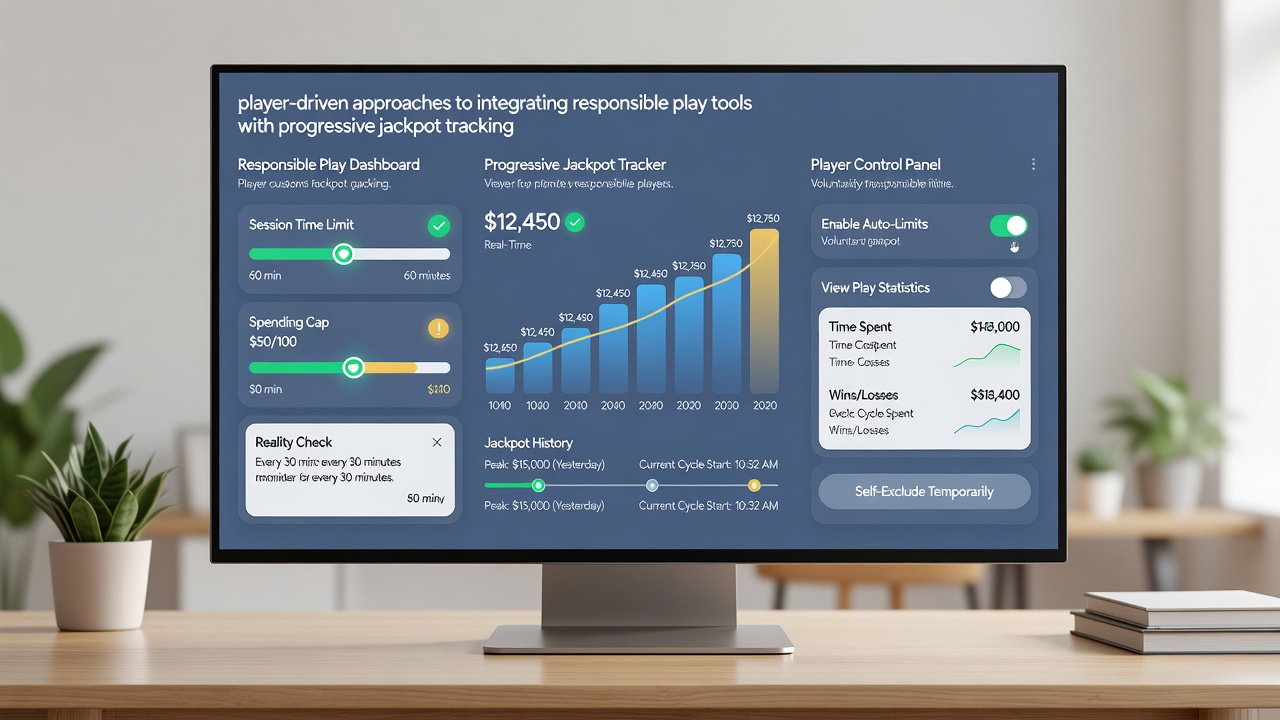
What's interesting is how this setup preserves jackpot integrity because progressive amounts derive from fixed percentages of all wagers across the network, and player-activated limits simply cap future contributions from that account without retroactively affecting accumulated totals. Figures from industry reports reveal that by October 2026 several major platforms had expanded these capabilities to include customizable jackpot notifications that pause when a user reaches a pre-set session duration, yet the overall prize continues to grow from other participants.
Regional Variations and Data Patterns
Different European countries apply distinct rules to these combined features, and Malta's licensing authority requires operators to offer jackpot tracking alongside mandatory responsible play prompts while Germany's framework emphasizes player choice in linking the two elements. Studies conducted by research groups at continental universities have tracked usage across these markets and found that players in regions with more flexible integration options tend to engage with both tools more consistently than in areas where the features remain separate.
One analysis of activity logs from 2025 into 2026 demonstrated that mobile sessions involving jackpot views paired with active limit settings lasted shorter on average, and this outcome emerged without any reduction in overall jackpot contributions from the broader player base. Those who've examined cross-border data note that operators serving multiple jurisdictions often standardize the interface so users encounter the same combined controls regardless of their location within the European mobile ecosystem.
Future Developments Observed in Late 2026
As of October 2026, several platforms have begun testing player-driven customization layers that let users define how jackpot alerts interact with their personal responsible play settings, and early results from these pilots show increased retention of users who previously disengaged after reaching limits. Industry organizations tracking these experiments report that the approach maintains jackpot growth rates while giving individuals granular control over their exposure.
Additional tools under development include predictive elements that suggest limit adjustments based on historical jackpot contribution patterns, yet these remain optional and player-initiated rather than automatic. External sources such as reports from the European Gaming and Betting Association and academic reviews hosted by institutions in Northern Europe provide ongoing data on adoption rates across the region.
Conclusion
Player-driven methods for merging responsible play tools with progressive jackpot tracking continue to evolve within European mobile gaming environments through 2026, and the patterns documented by regulators and researchers demonstrate consistent technical feasibility alongside varied national implementations. The systems preserve jackpot mechanics while empowering individual users to manage their participation, and ongoing data collection will likely shape further refinements in the coming years.